When Was The Black Plague
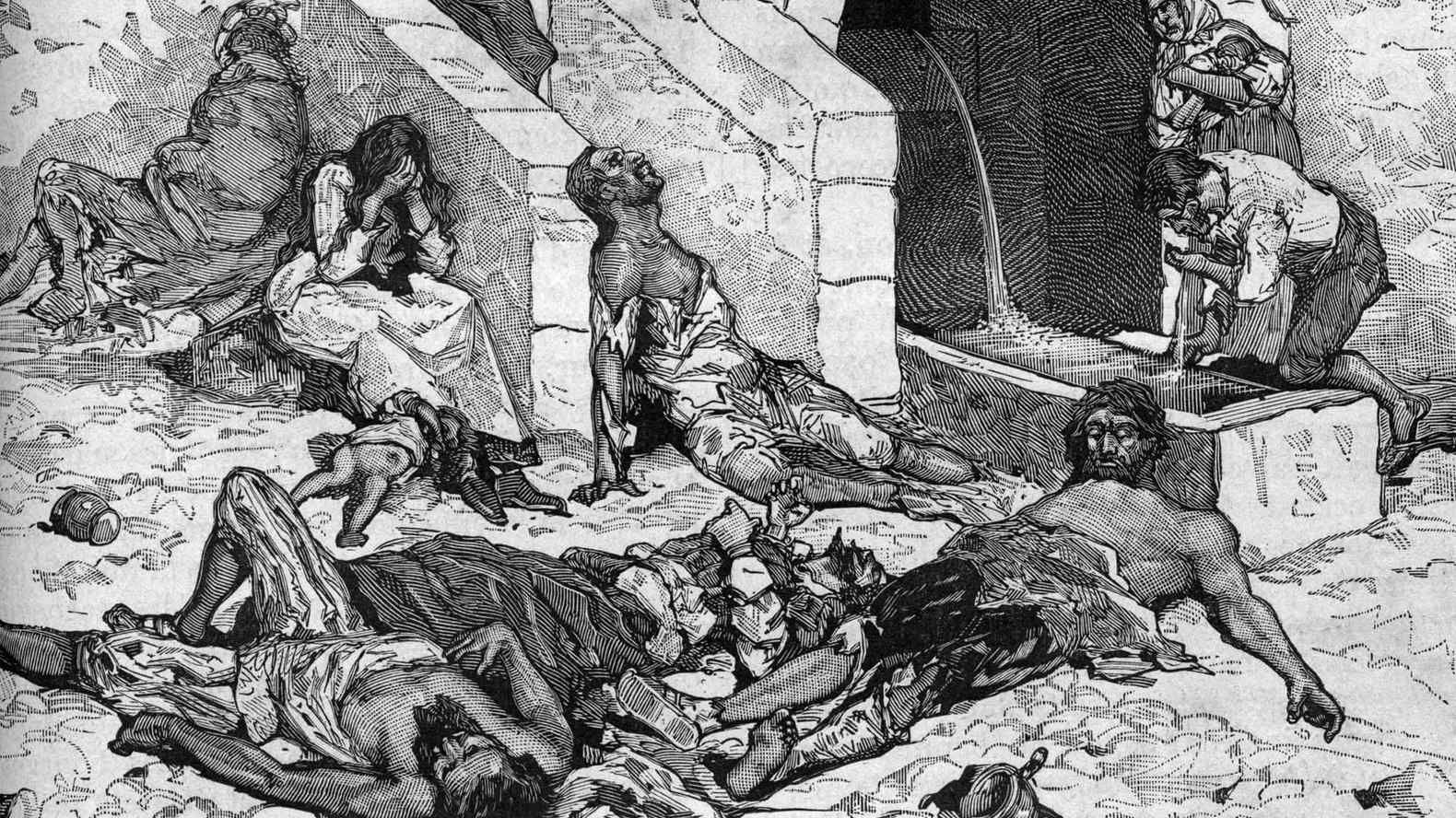
The Main Cause Of The Bubonic Plague Were Probably Great Gerbils
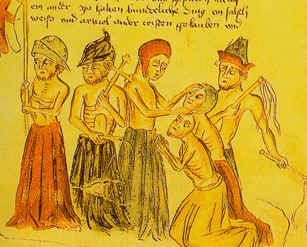
Ghastly Truth The Horrors Of The Black Plague Black Death

The Black Death The 14th Century Black Death Bubonic Plague
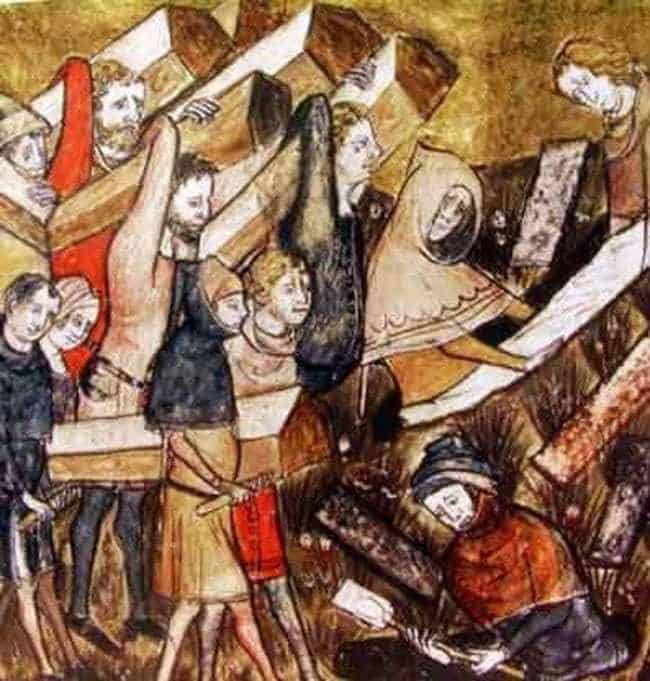
17 Creepy Details In The Life Of A Body Collector During The
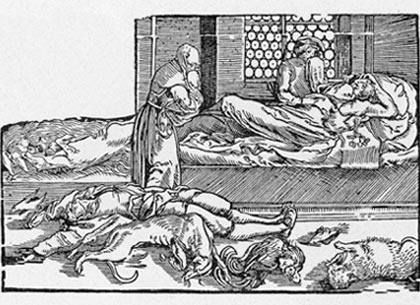
Pin On The Ultimate Keyhand Quest
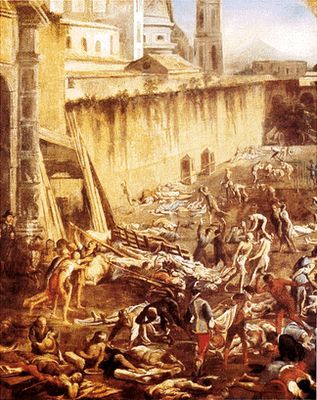
Pin On Black Plague
Because the plague killed so many of the working population wages rose due to the demand for labor.
When was the black plague. Learn more about the symptoms causes and treatment of the black death. The plague was the cause of the black death that swept through asia europe and africa in the 14th century and killed an estimated 50 million people. Plague is one of the deadliest diseases in human history second only to smallpox. A bacterial infection found mainly in rodents and associated fleas plague readily leaps to humans in close contact.
Black death pandemic that ravaged europe between 1347 and 1351 taking a proportionately greater toll of life than any other known epidemic or war up to that time. The black death is widely thought to have been the result of plague caused by infection with the bacterium yersinia pestis. Maut hitam disebut juga wabah hitam atau black death adalah suatu pandemi hebat yang pertama kali melanda eropa pada pertengahan hingga akhir abad ke 14 1347 1351 dan membunuh sepertiga hingga dua pertiga populasi eropa pada saat yang hampir bersamaan terjadi pula epidemi pada sebagian besar asia dan timur tengah yang menunjukkan bahwa peristiwa di eropa sebenarnya merupakan bagian. The black death resulted in the deaths of up to 75 200 million people in eurasia and north africa peaking in europe from 1347 to 1351.
Bubonic plague isn t history it s still around and still dangerous. The black death is an example of bubonic plague which has affected humans for at least 4 000 years. The black death also known as the pestilence and the plague was the deadliest pandemics ever recorded. Victims of bubonic plague form tender lymph nodes or buboes that leave spots of the body blackened due to internal hemorrhaging and it is caused by the bacterium yersinia pestis which can be found in wild rodents mostly rats that have.
The black death also known as the pestilence the great mortality or the plague was the deadliest pandemic recorded in human history. Track how it ravaged humanity through history.
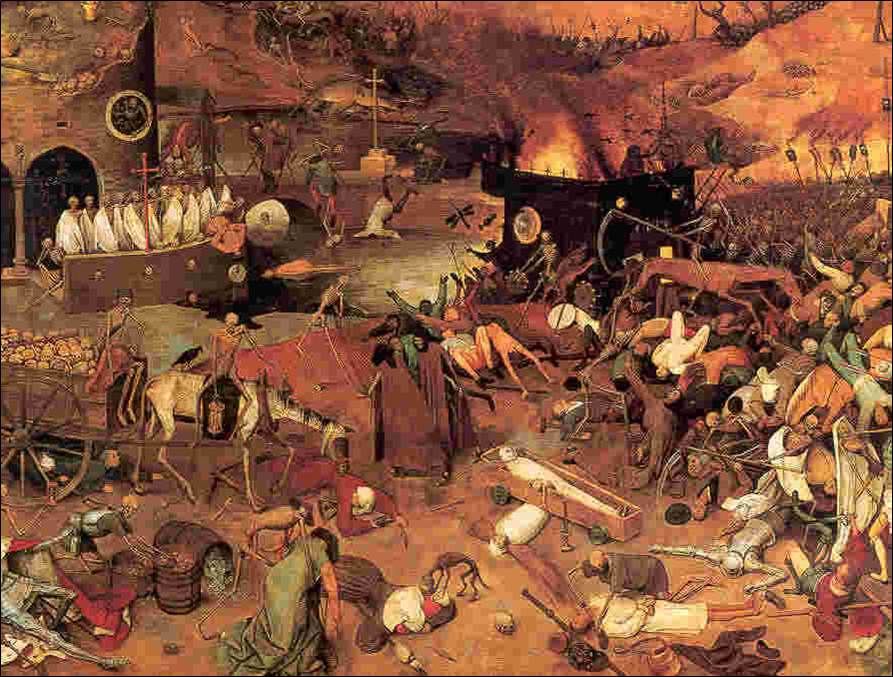
Bubonic Plague And The Mythology Of Disease Early Middle Ages

Pin By Ruth Fairbairn On Dark Matter Black Death Bubonic Plague