Human Symptoms Of The Black Plague
Plague And The Apocalypse Black Death Plague Post Apocalyptic
Black Plague At Duckduckgo
Plague Resources For Clinicians Apocalipsis De Zombi Peste
Are The Black And Bubonic Plague The Same Yahoo Image Search
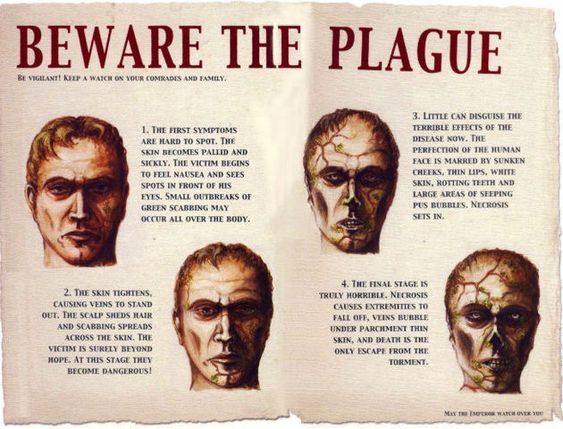
Are The Black And Bubonic Plague The Same Yahoo Image Search
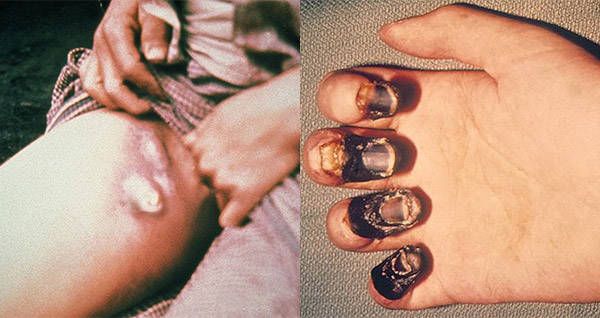
Are You Experiencing Black Death Symptoms The Bubonic Plague Isn
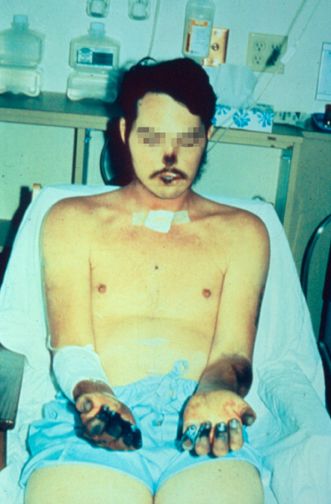
Bubonic pneumonic and septicemic.
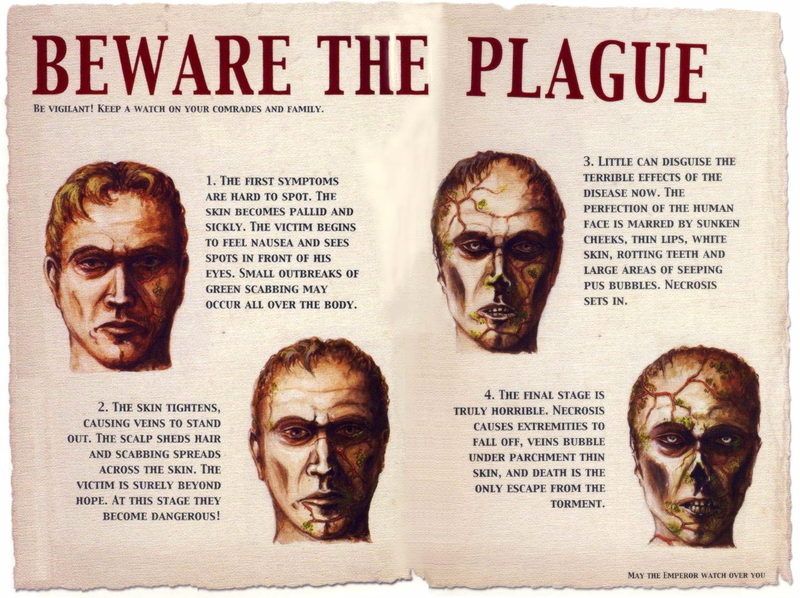
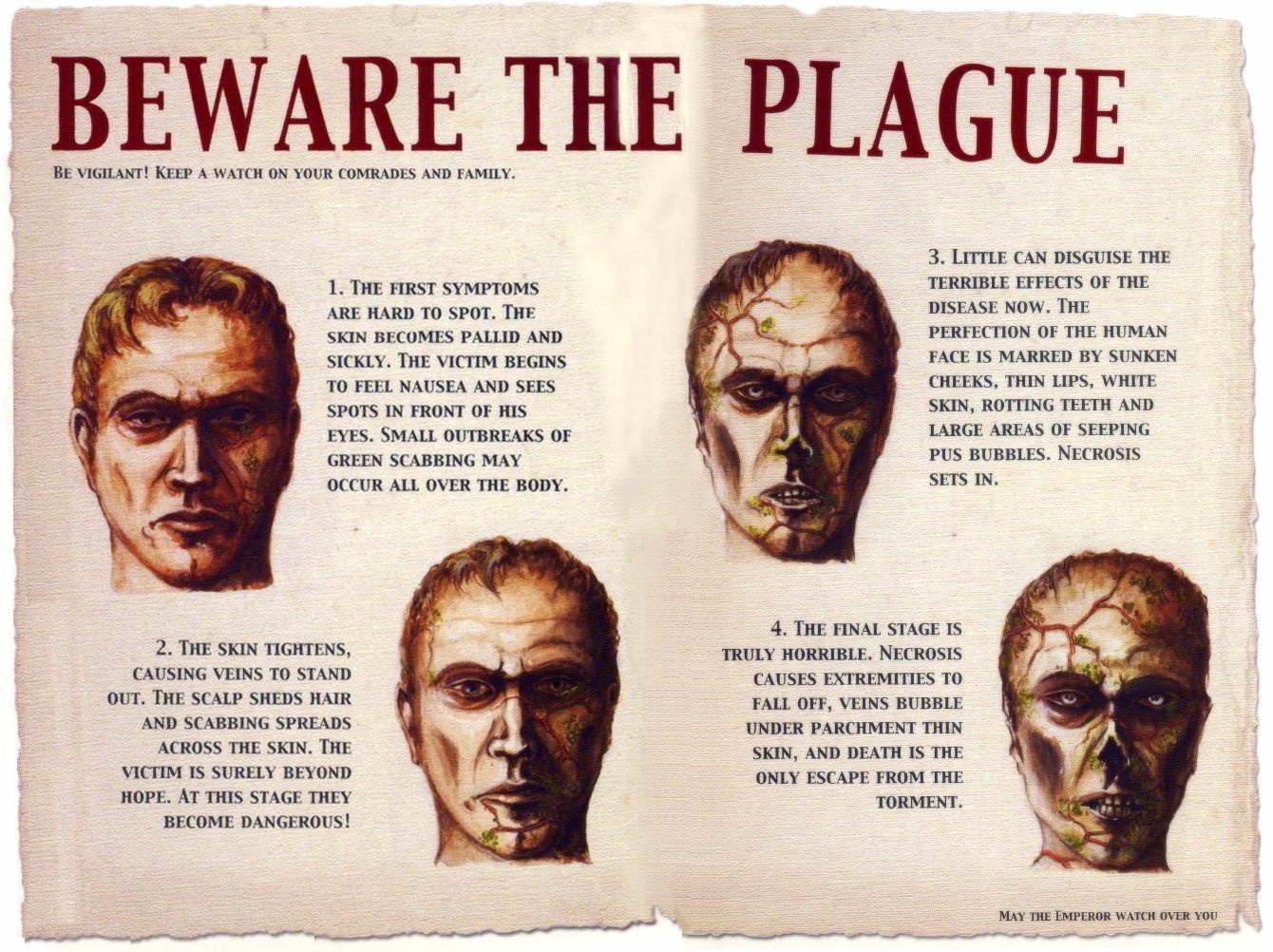
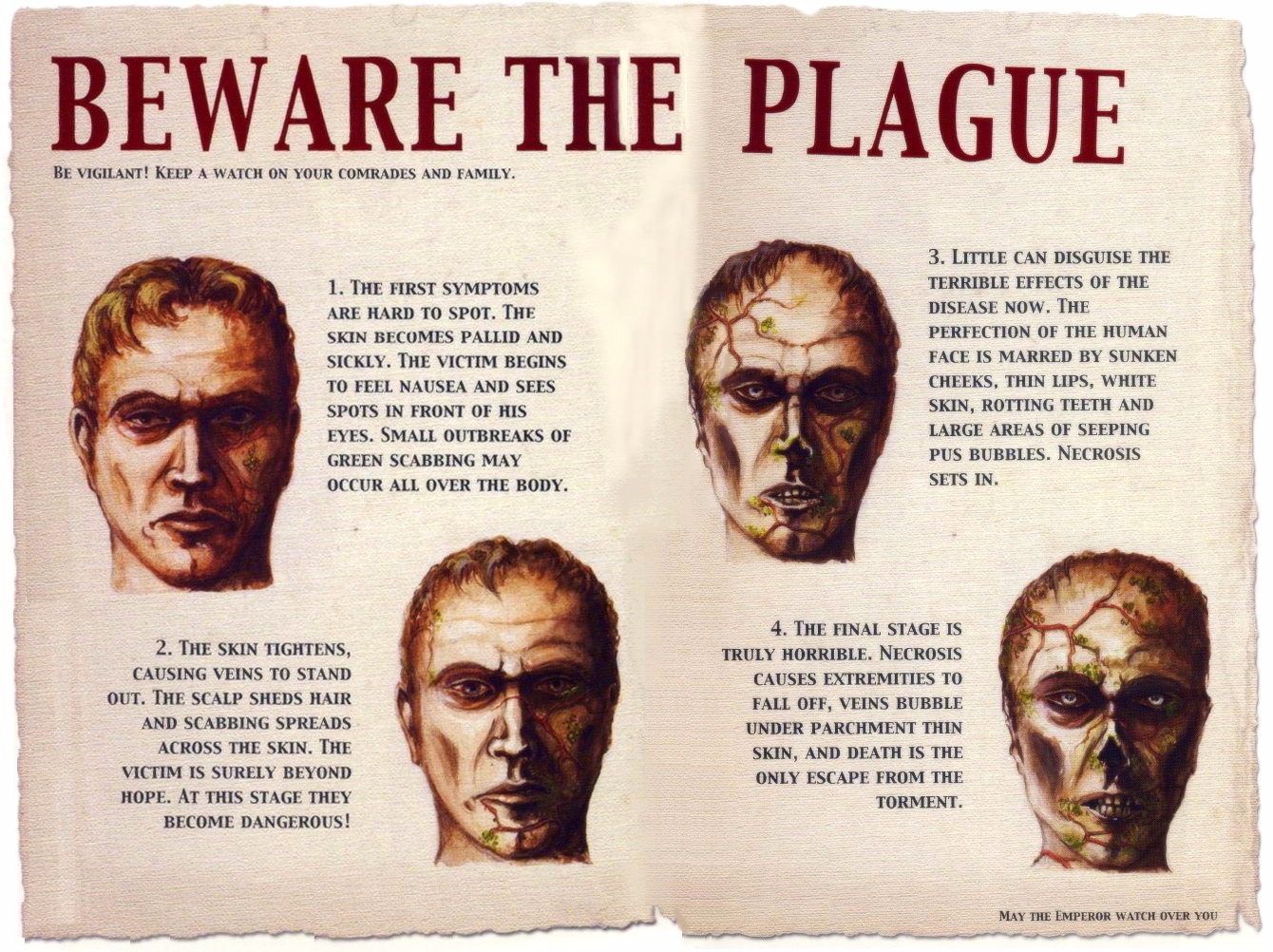
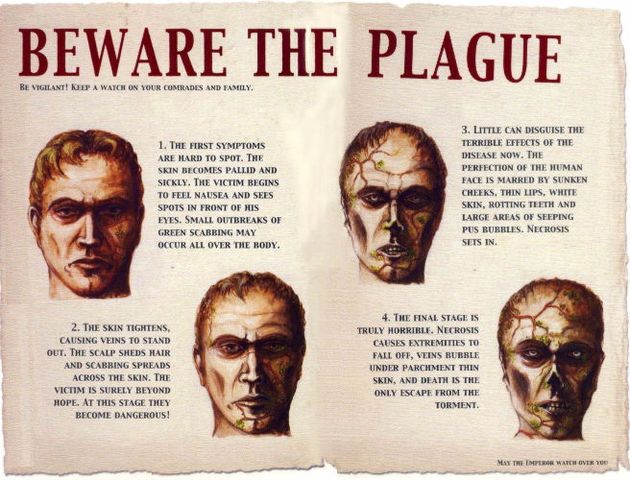
Human symptoms of the black plague. Yersinia causes three types of plague in humans. Patients develop sudden onset of fever headache chills and weakness and one or more swollen tender and painful lymph nodes called buboes. The plague is a serious bacterial infection that can be deadly. In one particularly destructive explosion over a third of the whole european population might have died in a few years in the mid 14th century a process which changed history birthing and among other things the start of the modern age and the renaissance here is an explanation of what happens when someone contracts it.
Plague outbreaks are most common in rural and semirural areas that are overcrowded have poor sanitation and have a high rodent population. The black death was a devastating global epidemic of bubonic plague that struck europe and asia in the mid 1300s. Plague the disease caused by the bacterium yersinia pestis was the cause. Humans usually get plague after being bitten by a rodent flea that is carrying the plague bacterium or by handling an animal infected with plague.
Plague also called bubonic plague or black plague is a disease that affects humans and other mammals. Sometimes referred to as the black plague the disease is caused by a bacterial strain called yersinia pestis this bacterium. Bubonic plague causes fever fatigue shivering vomiting headaches giddiness intolerance to. The black death is a plague that killed millions of people.
Plague symptoms and signs include swollen lymph nodes fever and chills. Plague has also been transmitted to humans in parts of asia and south america. The bacteria multiply in the lymph node closest to where the bacteria entered the human body. Although there is dna evidence that yersinia was present in victims of the black death it is uncertain which form the majority of the infection took.
Get the facts on the history of plague black death. Explore the facts of the plague the symptoms it caused and how millions died from it. The black death also known as the pestilence the great mortality or the plague was the deadliest pandemic recorded in human history. The black death also known as the plague was a pandemic affecting most of europe and large swaths of asia from 1346 through 1353 that wiped out between 100 and 200 million people in just a few short years.
The greatest number of human plague infections occur in africa especially the african island of madagascar. The black death resulted in the deaths of up to 75 200 million people in eurasia and north africa peaking in europe from 1347 to 1351. It is caused by the bacterium yersinia pestis. Fleas that have fed on infected rodents transmit pneumonic septicemic and bubonic plague to humans.
It is likely that all three played some role in the pandemic.